Arvind Rathore
Founder, MedDev Advisory · ISO 10993 Biocompatibility Consultant · Former Marie Skłodowska-Curie Early Stage Researcher at INSERM
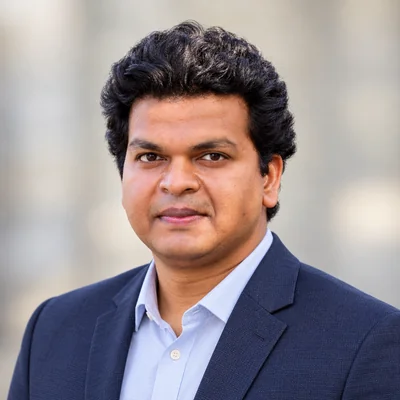
Arvind Rathore
ISO 10993 Biocompatibility Consultant
INSERM Research · Implantable Biosensors · BEP · BER · TRA
International Research Experience Behind a Focused ISO 10993 Practice
I help medical device companies prepare ISO 10993 biological evaluation documentation — especially Biological Evaluation Plans (BEP), Biological Evaluation Reports (BER), Toxicological Risk Assessments (TRA), and reviewer-facing biocompatibility sections for EU MDR and FDA submissions.
Before establishing the practice, I was a Marie Skłodowska-Curie Early Stage Researcher at INSERM U1026 Biotis in Bordeaux, France, within the ImplantSens Horizon 2020 network. My work examined implantable electrochemical biosensors and ISO 10993-aligned biological endpoints, including cytotoxicity, oxidative-stress and cellular-response studies, sterilization effects, biomaterial–cell interactions, and foreign body response questions.
The programme also included research placements in France, Germany and Sweden. Earlier research at IIT Ropar examined inflammation and adipocyte–macrophage signalling, while work at IIT Kanpur involved silk-fibroin biomaterials for orthopedic-implant applications.
I hold an MTech in Biological Sciences and Bioengineering from IIT Kanpur and have peer-reviewed publications in Bioelectrochemistry, Advanced Sensor Research, and Biochimie. I founded MedDev Advisory to connect regulatory documentation with the underlying biological science and make the reasoning in each evidence file easier to trace and review.
I work with MedTech startups, established manufacturers, contract manufacturers, and R&D teams preparing CE Mark or FDA 510(k) submissions across a range of device categories, with particular depth in implantable devices and long-term contact categories. Teams working on those higher-risk files can also start with the dedicated implantable-device biocompatibility support page.
A strong biological evaluation makes the path from device and contact profile to evidence, limitations and conclusions explicit and traceable.
Best Fit Engagements
- Submission teams with a defined device, pathway, and documentation gap
- FDA AI or notified body remediation that needs fast technical writing support
- Legacy BEP or BER files that need stronger ISO 10993-1:2025 framing
How I Usually Work
- Short scoping review first, then a fixed-scope proposal for the deliverable
- Direct collaboration with founders, RA/QA leads, or submission consultants
- Confidentiality-first workflow, with NDA available before device-specific review
Direct delivery, with vetted specialists where a project needs additional market or domain depth.
For scopes beyond core ISO 10993 documentation, I may involve experienced specialists for defined parts of the work, including India / CDSCO pathway and documentation-readiness projects where local regulatory input is important.
For a clearer sense of delivery style and broader submission context, review the representative case studies, the redacted deliverable structures, the biosensor support page, and the medical device regulatory framework guide.
Core Areas of Expertise
ISO 10993 Biological Evaluation
Specialist practice across ISO 10993-1 (2018 and 2025), ISO 10993-5 (cytotoxicity), ISO 10993-10:2021 (skin sensitization), ISO 10993-23:2021/Amd 1:2025 (irritation), ISO 10993-17 (TRA), and ISO 10993-18 (chemical characterization).
Cytotoxicity & Cell-Response Research
Hands-on cytotoxicity assay experience (ISO 10993-5 endpoints), oxidative stress response studies, and biomaterial–cell interaction analysis from INSERM research on implantable biosensors.
EU MDR Biocompatibility Documentation
EU MDR 2017/745 Technical Documentation with emphasis on Annex I GSPR biocompatibility requirements, Annex II integration, notified body responses, and the parts of CER or PMCF work that directly intersect with biological evaluation.
FDA 510(k) Biocompatibility
FDA-aligned biocompatibility documentation informed by FDA's final September 2023 guidance on use of ISO 10993-1, current recognition records, and applicable device-specific sources. Experience includes 510(k) sections, De Novo submissions, and PMA biocompatibility summaries.
Biomaterials & Implantable Devices
Research experience in implantable electrochemical biosensors — a high-complexity setting in which long-term contact, material evidence, device performance and multiple biological effects may need to be evaluated through risk management.
Supporting Scientific Writing
Published researcher in Bioelectrochemistry (Elsevier, 2025) and Advanced Sensor Research (Wiley, 2024). I use that writing background to strengthen literature-backed regulatory sections and adjacent scientific communication when it supports the core biocompatibility scope.
Career & Education Timeline
ISO 10993 Biocompatibility Consultant
MedDev Advisory (Independent Founder)
Independent ISO 10993 biocompatibility consulting practice supporting medical device companies with biological evaluation documentation for EU MDR, CE Mark, and FDA 510(k) submissions. Providing scientifically defensible BEP, BER, TRA, and regulatory documentation.
Independent Medical Device Documentation Consultant
Independent
Worked independently on biomaterials, biosensors, scientific writing, and medical device documentation. This phase deepened focus on biocompatibility evaluation, literature-based assessment, and regulatory documentation — forming the foundation for the MedDev Advisory consulting practice.
Early Stage Researcher (ESR)
INSERM U1026 Biotis · Bordeaux, France
Marie Skłodowska-Curie Early Stage Researcher at INSERM within the ImplantSens EU Horizon 2020 network. Research focused on implantable electrochemical biosensors and ISO 10993-aligned biological endpoints, including in vitro cytotoxicity, oxidative-stress and cellular-response studies, biomaterial–cell interactions, sterilization effects, and foreign body response questions. Review the ImplantSens project context on European Commission CORDIS.
The programme included research placements with CNRS in France, Ruhr University Bochum in Germany, and Malmö University and AptuSens AB in Sweden.
Research Scholar
Indian Institute of Technology Ropar
Investigated adipocyte–macrophage crosstalk in obesity-associated inflammation and insulin resistance. This work contributed to a peer-reviewed publication in Biochimie.
Research Assistant
Indian Institute of Technology Kanpur
Developed and characterized silk-fibroin cryogel scaffolds for orthopedic-implant applications, including biomaterial preparation, physical characterization, and cytocompatibility work.
Master of Technology (MTech)
Indian Institute of Technology Kanpur (IIT Kanpur)
MTech in Biological Sciences and Bioengineering from the Indian Institute of Technology Kanpur, with thesis research on silk-based biomaterials for tissue-engineering applications.
International Research Placements & Publications
INSERM U1026 Biotis
Bordeaux, France
Marie Skłodowska-Curie Early Stage Researcher appointment within the ImplantSens Horizon 2020 network. Research covered implantable biosensors, cytotoxicity, cellular responses, sterilization effects, and biomaterial–host interactions.
CNRS
France
Visiting Researcher in Pessac from March to April 2021, working on nanoparticle templating, Langmuir–Blodgett films, controlled electrodeposition, and electrochemical characterization of porous electrode materials.
Ruhr University Bochum
Bochum, Germany
Visiting Researcher in July 2022, working on electrografting, enzyme/polymer layer-by-layer deposition, and electrochemical characterization of needle-like glucose-sensor electrodes.
Malmö University / AptuSens AB
Malmö, Sweden
Visiting research placement in June 2022 on tubular and miniaturized graphite glucose-sensor electrodes, enzyme immobilization, and continuous-flow electrochemical testing.
Peer-Reviewed Publications
Development of flexible nanoporous gold electrodes for the detection of glucose
Bioelectrochemistry · 2025. Research on a flexible nanoporous-gold glucose-electrode platform, including electrochemical performance, mechanical deformation, cytotoxicity and implantation observations.
Effects of Sterilization on Cellobiose Dehydrogenase and Glucose Oxidase Based Glucose Biosensors
Advanced Sensor Research · 2024. Research comparing gamma irradiation and ethylene-oxide effects on enzyme-electrode performance, conformation and cytotoxicity observations.
Inflammation-induced mTORC2-Akt-mTORC1 signaling promotes macrophage foam cell formation
Biochimie · 2018. Research on inflammation-linked adipocyte–macrophage signalling and foam-cell formation.
Research Recognition, Education & Training
Marie Skłodowska-Curie Early Stage Researcher
INSERM U1026 Biotis · ImplantSens Horizon 2020
Research appointment within the ImplantSens network focused on implantable biosensors, biological endpoints, and biomaterial–cell response.GATE (Graduate Aptitude Test in Engineering)
Government of India
Graduate Aptitude Test in Engineering qualification supporting admission to postgraduate engineering study.AICTE Fellowship
All India Council for Technical Education
AICTE fellowship support during postgraduate study in Biological Sciences and Bioengineering at IIT Kanpur.MTech in Biological Sciences & Bioengineering
Indian Institute of Technology Kanpur
Postgraduate training with thesis research on silk-based biomaterials for tissue-engineering applications.Intellectual Property Rights (IPR)
European Patent Office Training
Coursework in intellectual-property rights and patent-application practice through the European Patent Office.Regulatory Training in Animal Experimentation
Biomedical Research Compliance
Regulatory training in rodent surgery and animal experimentation ethics — foundational to in vivo biocompatibility evaluation methodology and ISO 10993 in vivo endpoint understanding.Technical Skills & Competencies
Regulatory Standards
Research & Science
Documentation
Research Methodology
Work with an ISO 10993 Consultant
Who Knows the Science
Request a short scoping call to discuss your device, the current documentation gap, and the most practical next step.